
Alexander vs Meiselman: Floor Plan Comparison

Jack Meiselman and the Alexander Construction Co. were Palm Springs royalty during the 1950s and ’60s building boom in Palm Springs, CA, and their homes share so much MCM DNA that even serious enthusiasts mix them up.
But here’s the thing: once you know what to look for, they’re actually pretty distinct. The differences aren’t just cosmetic — they reflect two genuinely different philosophies about how people live in a desert vacation home. So let’s break it down, side by side.
The Floor Plans: Two Very Different Ideas About How You Live
This is where the Meiselman vs. Alexander debate really gets interesting, because the two builders made almost opposite bets on what a Palm Springs vacation home buyer actually wanted and needed.
The Meiselman Floor Plan: Built for the Way People Actually Vacation
Walk into a Meiselman and here’s what you get: a large, open living and dining area that flows naturally for entertaining, anchored by a galley kitchen tucked off to one side. That kitchen detail matters more than it might seem at first glance.
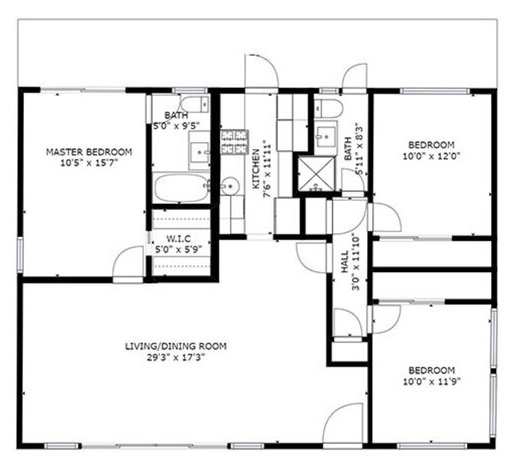
A galley layout keeps the prep mess, the dirty dishes, the chaotic dinner party evidence hidden from your guests. It’s the design equivalent of closing the door on your messy life. But the really clever bit? Meiselman galley kitchens typically have a door to the outside on the non-pool side of the house, which means you can move people, food, and cocktails to either side of the home with zero awkwardness. For a vacation rental or a weekend party house, that’s practically genius.
A galley kitchen keeps the prep mess hidden — but it also gives you more cabinet and counter space than an open kitchen. In a vacation home, that’s a feature, not a compromise.
And then there’s the bedroom arrangement, which is honestly the most underrated thing about a Meiselman floor plan. The primary suite sits on one end of the house. The guest bedrooms sit on the other. Between them? The kitchen, the bathrooms, the whole middle of the house.
For a vacation home, that split arrangement is a game-changer. Your guests get genuine privacy. You get genuine privacy. Nobody is accidentally overhearing each other’s 6 a.m. coffee situation. It’s the kind of thoughtful layout detail that makes you realize these homes weren’t just designed to look good — they were designed to actually work for the way people use a vacation home.
The Alexander Floor Plan: Open, Airy, and Family-Ready
Step into an Alexander and you’re in a fundamentally different spatial experience. The kitchen here is open to the living and dining space — no galley wall, no hidden prep zone. What you lose in visual tidiness you gain in sheer sense of volume. That open kitchen makes the whole living area feel bigger, airier, and more connected.
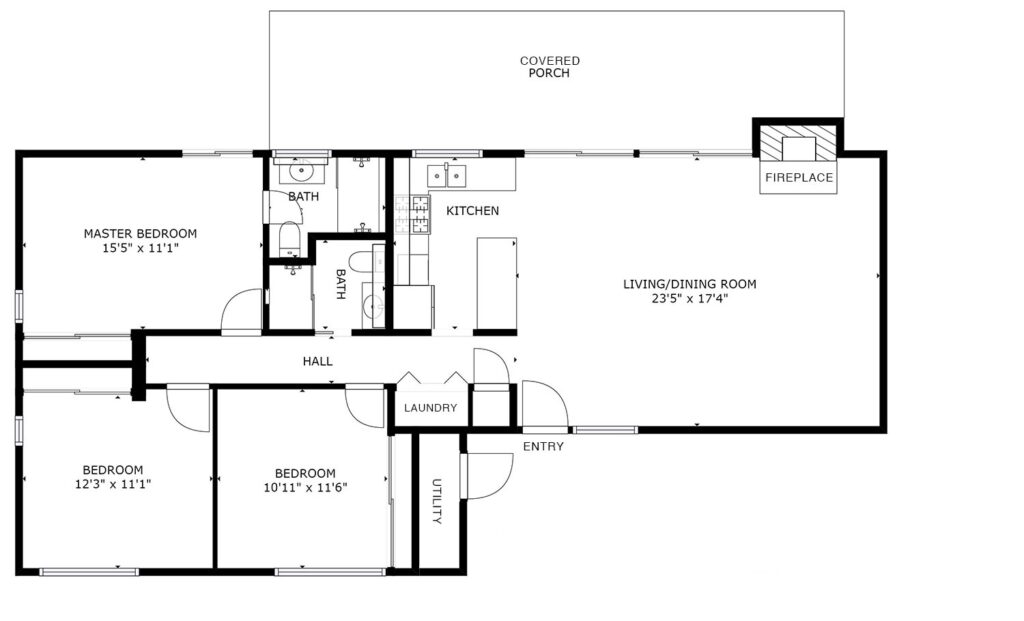
And if you happen to face the poolside of the house? Your kitchen often looks right out at the water. Chopping vegetables while watching the kids splash around in a Palm Springs pool isn’t the worst life.
The bedrooms in an Alexander are a different story than a Meiselman’s split plan. Rather than separating the primary suite from the guest rooms, Alexander keeps all three bedrooms together down a hallway on the same end of the house. It’s a more conventional arrangement — but for families traveling with kids, keeping everyone in the same wing actually makes a lot of sense. No one’s wandering across the house at 2 a.m. to find the bathroom.
| Meiselman | Alexander |
| Split bedrooms: primary suite on one end, guests on the other | All bedrooms together in one hallway wing |
| Galley kitchen — hidden from main living area | Open kitchen integrated with living/dining space |
| Kitchen door to outside (non-pool side) for easy entertaining flow | Kitchen often faces the pool for open views |
| More counter and cabinet storage in the galley layout | Open layout creates a greater sense of volume and space |
| True guest privacy — ideal for vacation rental use | Keeps the whole family together — great for traveling with kids |
The Bottom Line
If you’re trying to choose between a Meiselman and an Alexander — or you’re just trying to figure out what you’re looking at on a Sunday afternoon drive through Racquet Club Estates — here’s the shorthand:
Go Meiselman if you want a home that’s optimized for vacation-home living: a split bedroom plan that gives real privacy, a galley kitchen that’s smarter for entertaining than it looks, and an elevation that’s slightly more refined rather than flashy.
Go Alexander if you want more volume and drama: an open kitchen that flows into the great room, bedrooms clustered together for family convenience, and a roofline that makes a statement from the street.
But honestly? The best possible scenario is what you get in a neighborhood like Sunrise Park or Little Beverly Hills — where Meiselmans and Alexanders are mixed in together, side by side, each
Leave a Reply