
The Z Lounge Chair: Why This Cult Classic Has Me (and Everyone Else) Obsessed
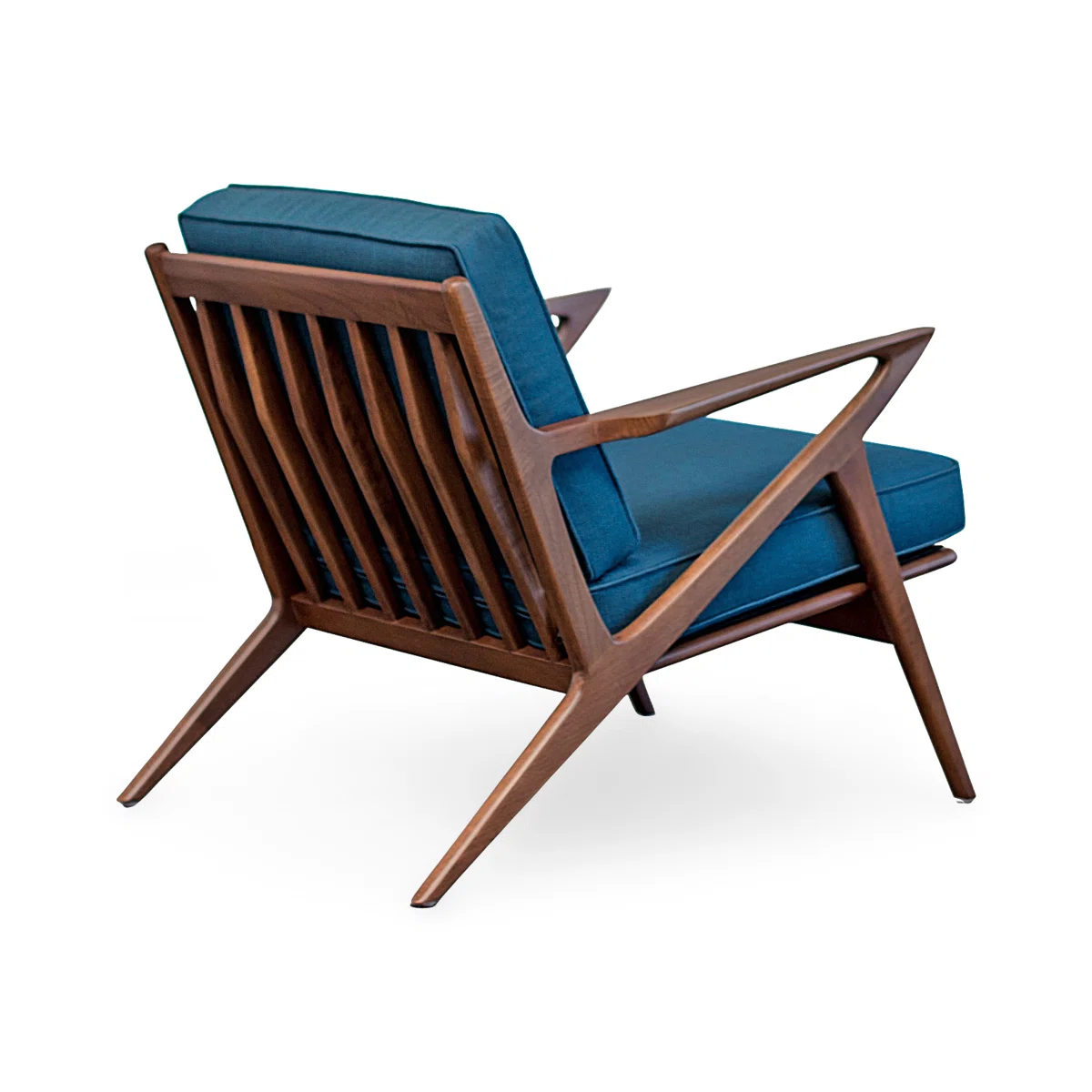
Look, I’ll just come right out and say it: I have a problem with the Z Lounge Chair. Not in a “this chair hurt my back” way, but in a “I see one and immediately start thinking where it could fit in our home” kind of way. If you’re even remotely into mid-century modern design, you know exactly what I’m talking about. This chair has achieved full-on cult status, and honestly? It deserves every bit of the hype.
The Z Chair’s Place in the MCM Hall of Fame
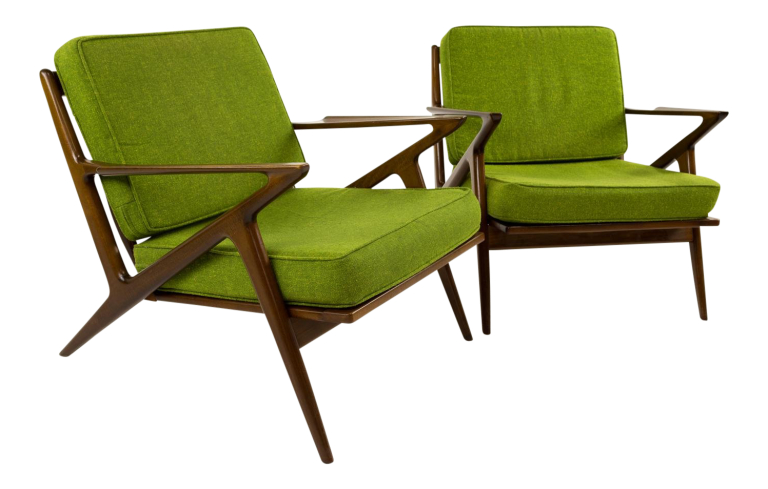
First, let’s talk about why this chair is such a big deal. Designed by Danish furniture designer Poul Thorsbjerg Jensen (1922-2006) and manufactured by Selig, the Z Lounge Chair is a masterclass in Scandinavian modernism. While Jensen created other work during his career, the Z Chair is undoubtedly his claim to fame—and what a legacy to leave behind.
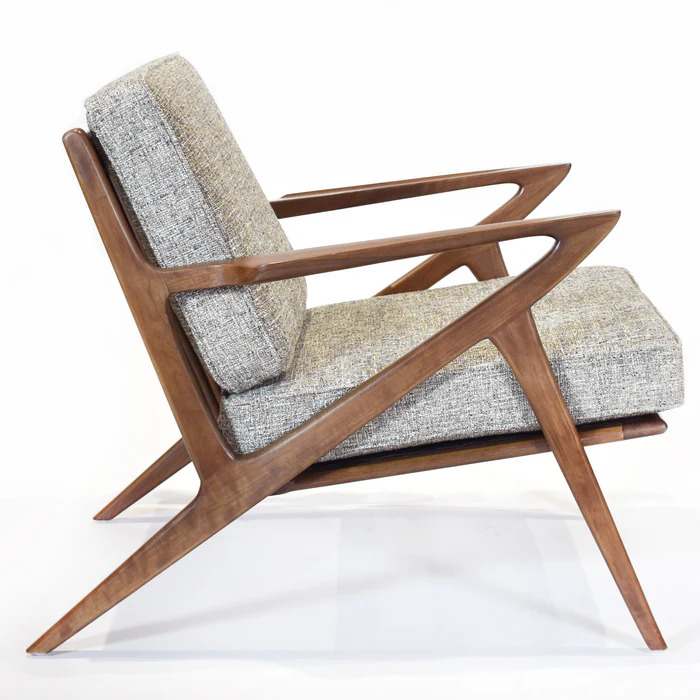
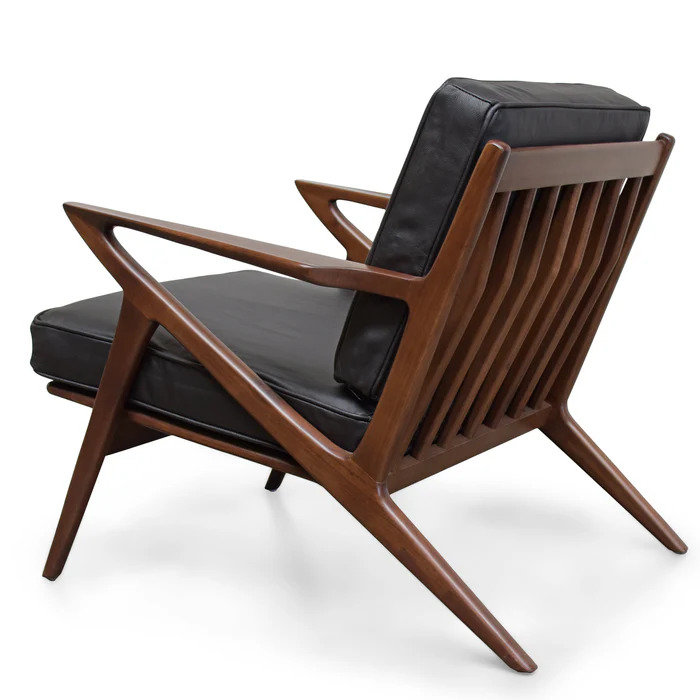
The genius of the Z Chair is right there in the name. Look at it from the side, and boom—you’ve got a perfect Z shape formed by the cantilevered design. No front legs. Just this beautiful, gravity-defying silhouette that makes you wonder, “How is that even comfortable?” (Spoiler: it absolutely is.)
What really cements this chair in mid-century modern history is how it embodies everything the movement stood for: form following function, innovative use of materials, and design that’s democratic rather than precious. Selig was known for bringing well-designed furniture to the masses, and the Z Chair wasn’t trying to be haute couture for your living room—it was just really, really good design that happened to look incredible.
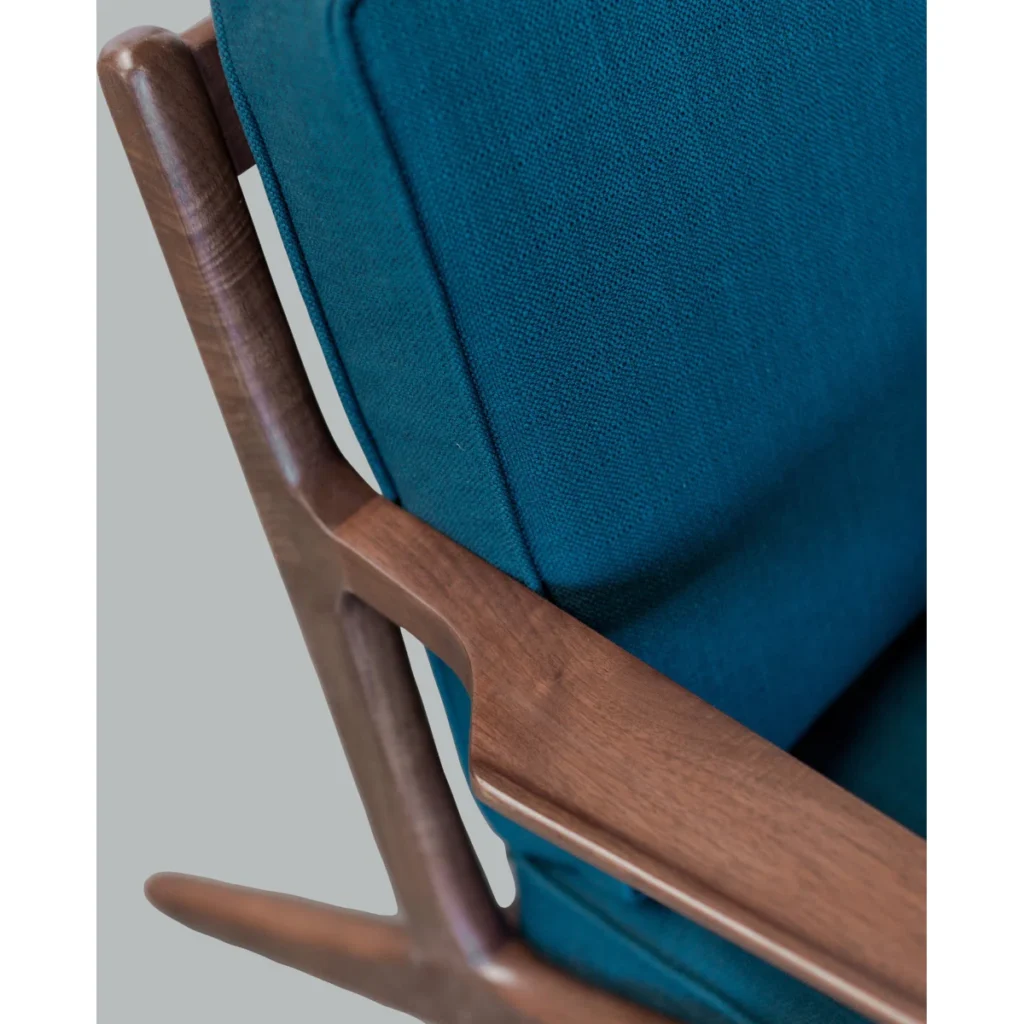
The craftsmanship is worth geeking out over, too. Original Selig Z Chairs featured solid hardwood frames—typically walnut, teak, or beech—with sculptural curves that were shaped entirely through traditional joinery. No metal fasteners, just pure woodworking skill. That cantilevered form wasn’t just for show; it required serious structural engineering to pull off with such clean lines.
The Cult Status Is Real (and I’m Part of the Problem)
Here’s where things get a little wild. Original Z Chairs have become seriously hot commodities. We’re talking multiple thousands of dollars for a genuine Selig piece in good condition. I’ve seen them go for $3,000-$6,000 on 1stDibs. They’re the holy grail for collectors.
Part of the cult status comes from the iconic design—that cantilevered silhouette is instantly recognizable. But it’s also because the design community has fully embraced just how special these chairs are. Instagram hasn’t hurt either. Scroll through #midcenturymodern and you’ll see Z Chairs styled in impossibly chic living rooms, usually with a vintage Persian rug and some sort of sculptural plant situation happening nearby.
The chair has become shorthand for “I know my MCM design history, and I have excellent taste.” It’s like the designer sneaker of the furniture world—instantly recognizable to those in the know.
Original vs. Replica: The Eternal Debate
Okay, let’s address the elephant in the room (or the Z Chair in the corner, if you will). Should you drop serious cash on an original, or go the replica route?
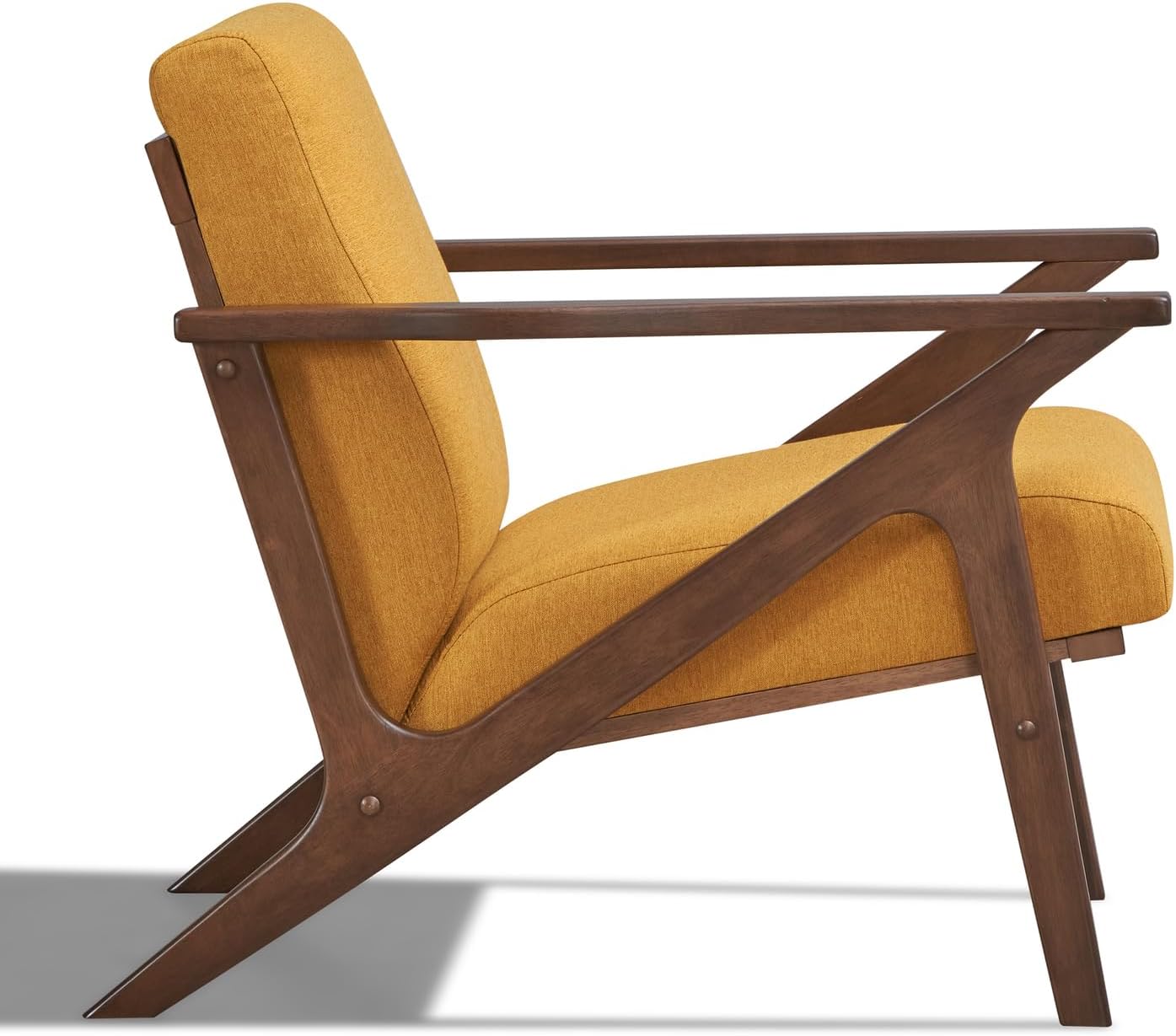
If you look below you should be able to easily spot a cheap replica from an original or a great replica.
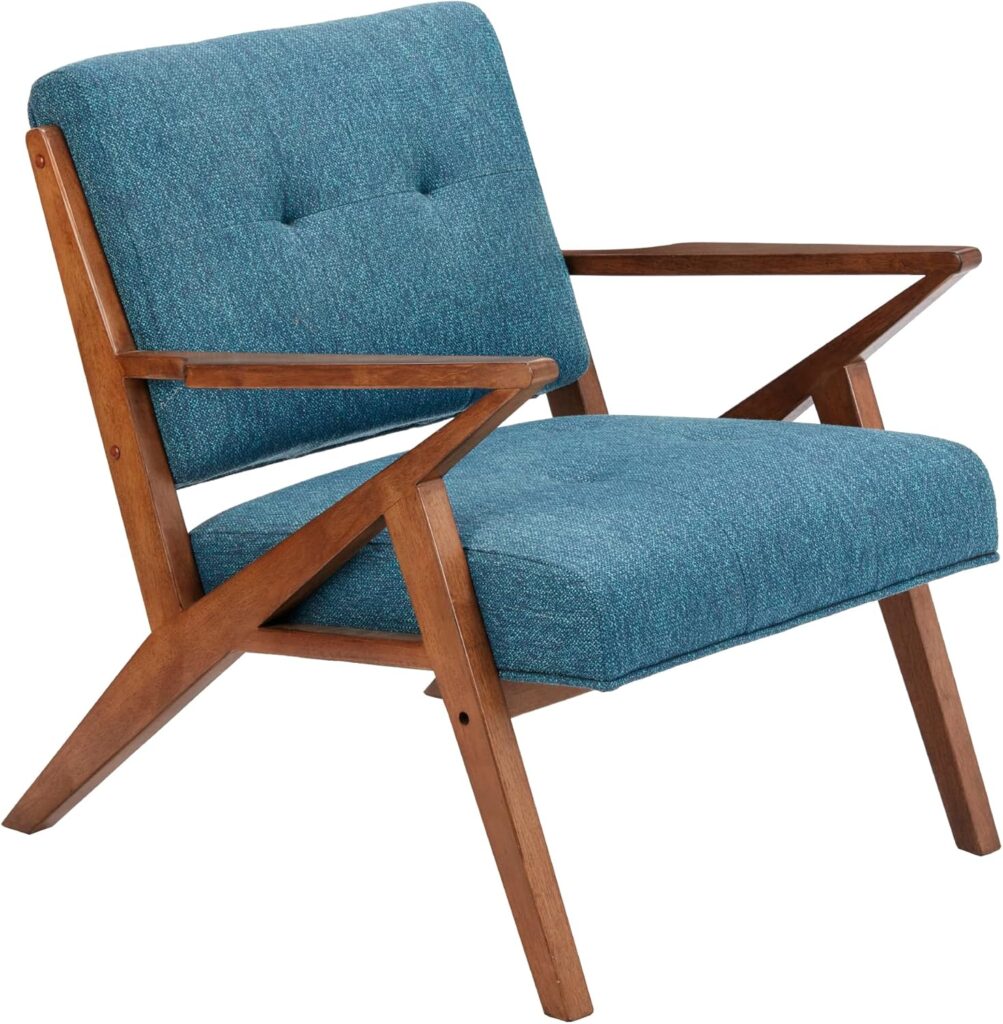 Cheap
Cheap
Replica Available On Amazon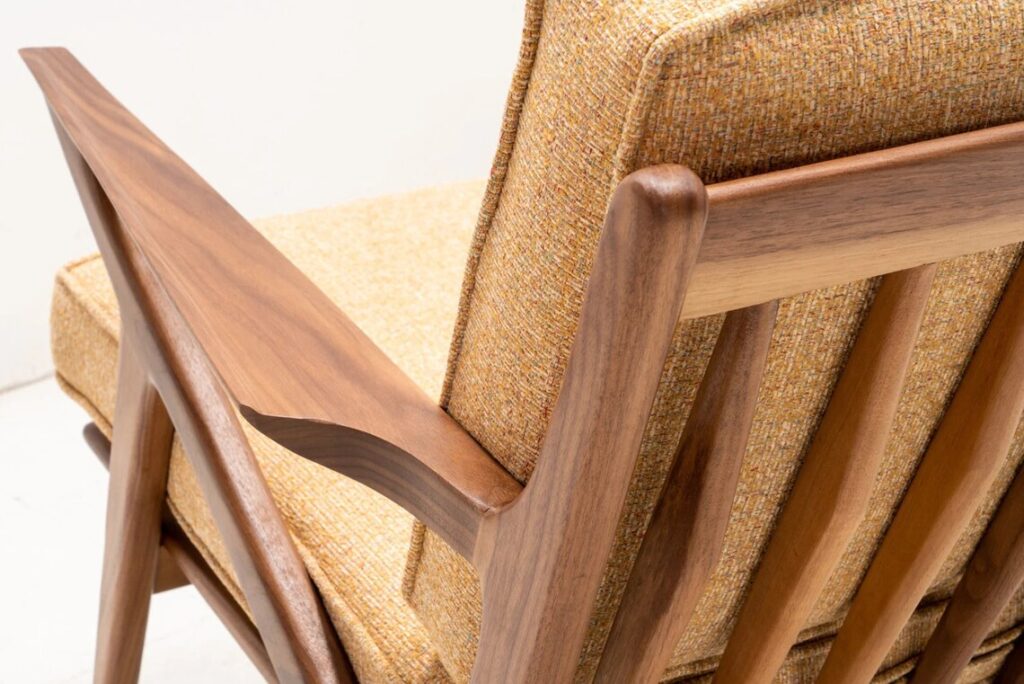 High Quality Replica from WestCoastModernLA
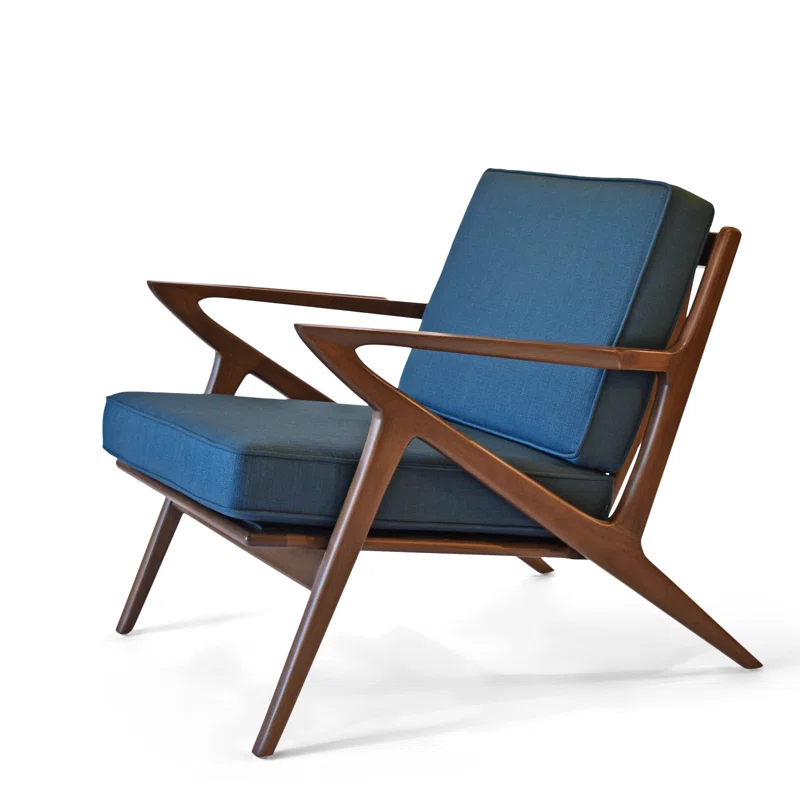 Quality replica from Wayfair
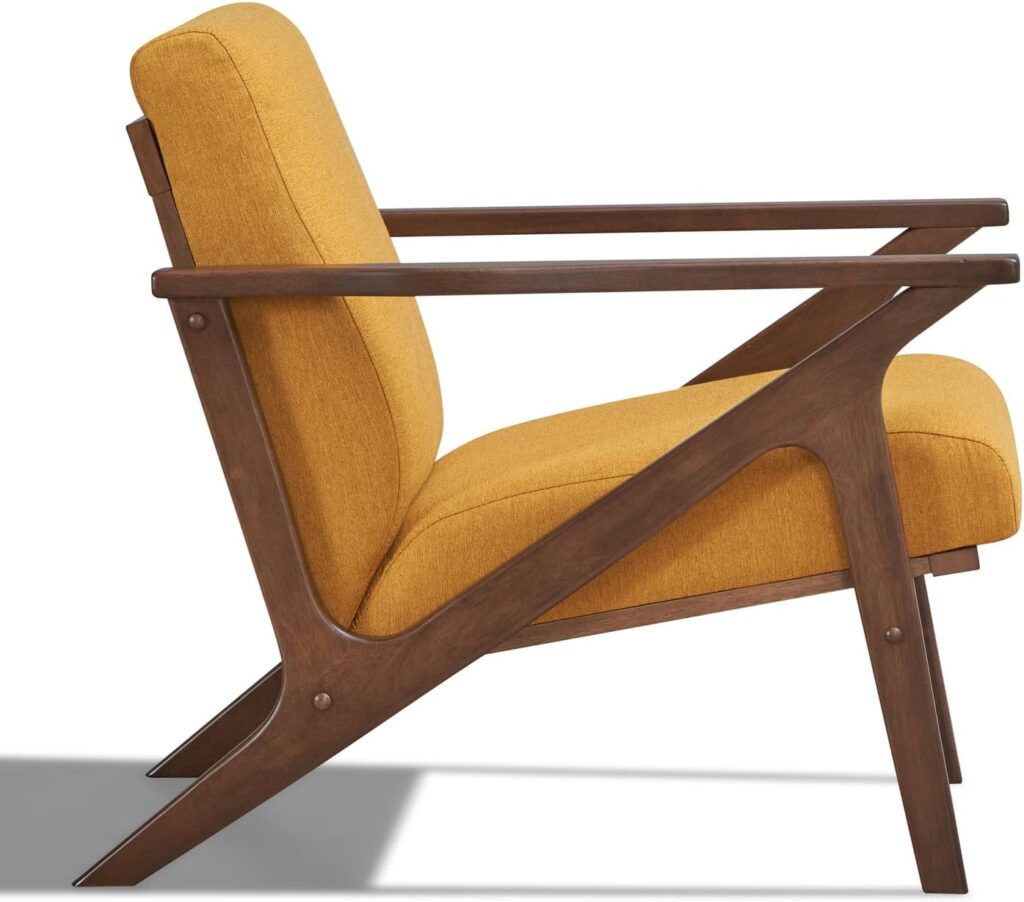 Cheap Replica from Amazon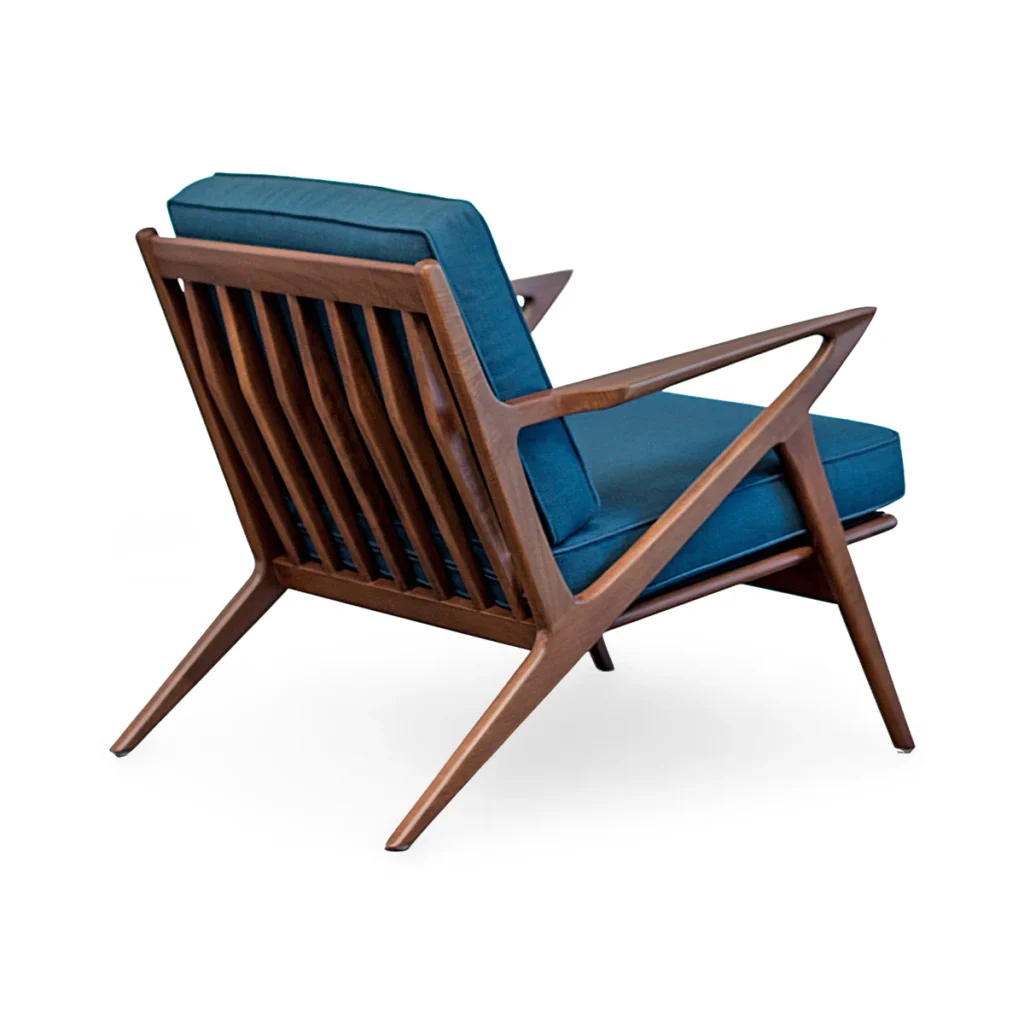
Quality Replica from Wayfair
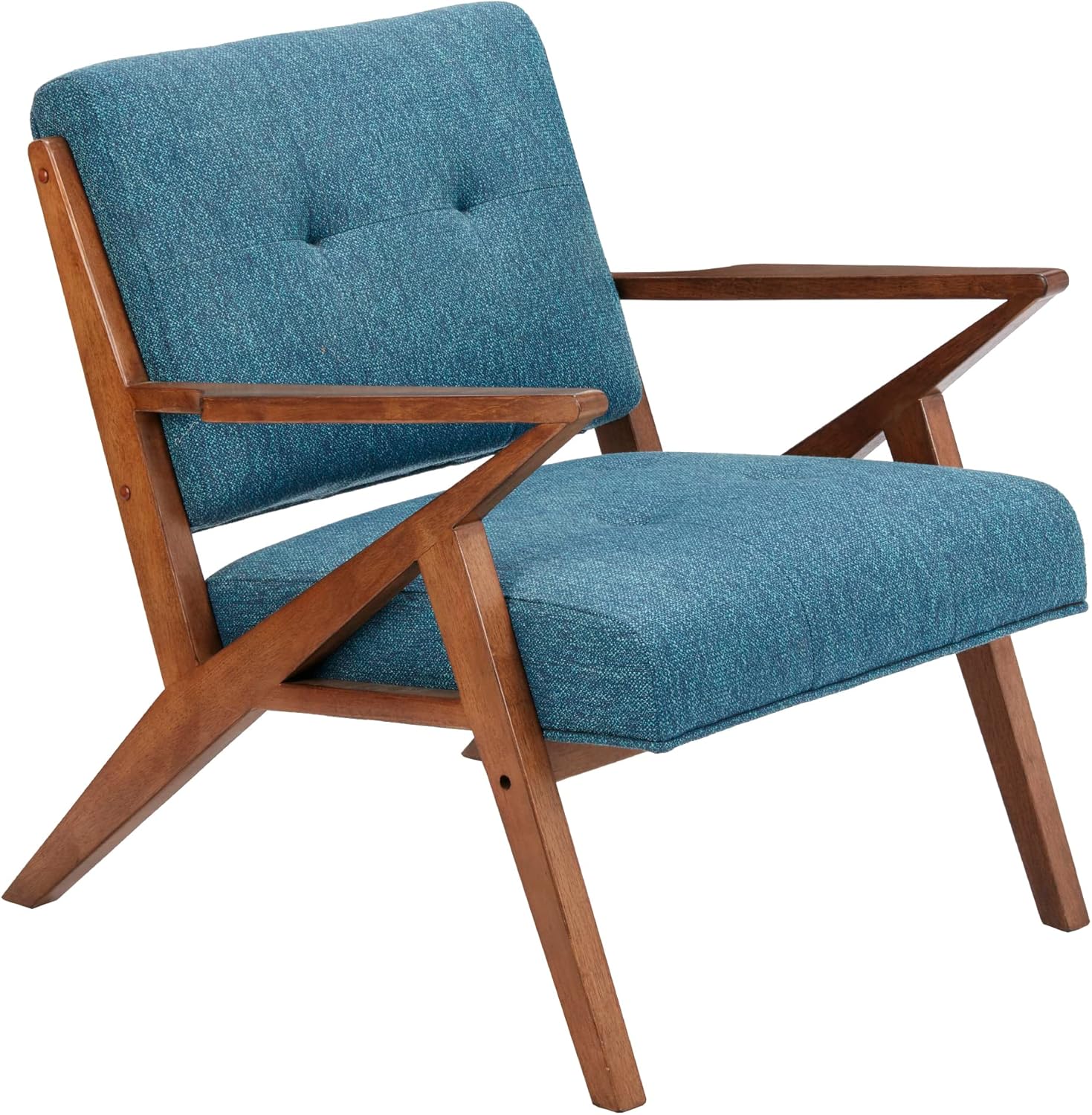
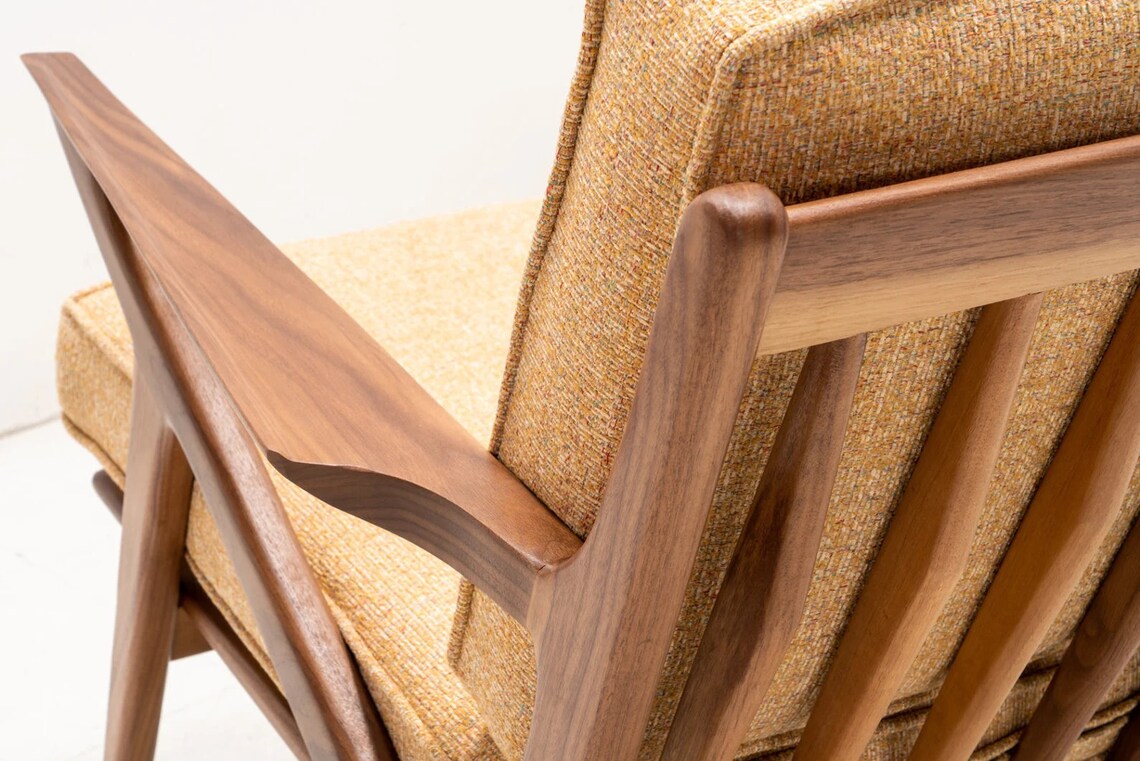
The case for an original:
- Authentic craftsmanship and materials (that solid hardwood construction!)
- Smooth, craftsman quality joinery—no metal fasteners, just masterful woodworking
- Investment potential (good vintage design tends to appreciate in value)
- The smug satisfaction of owning the real deal
- Supporting the vintage furniture ecosystem
- That intangible quality you only get from authentic mid-century craftsmanship
The case for a replica:
- Your wallet will actually survive
- Less anxiety about wear and tear (kids, pets, that friend who always spills wine)
- More readily available
- You can actually, you know, use it without hyperventilating
Here’s my take: if you’ve got the budget and you’ve found an original Selig in solid condition, go for it. It’s a piece of design history. But I’m not going to side-eye anyone who goes the replica route—not everyone has $2K lying around for a chair, and there’s no shame in wanting the look without the financial heart attack.
Replica Shopping: What to Look For (AKA How Not to Get Burned)
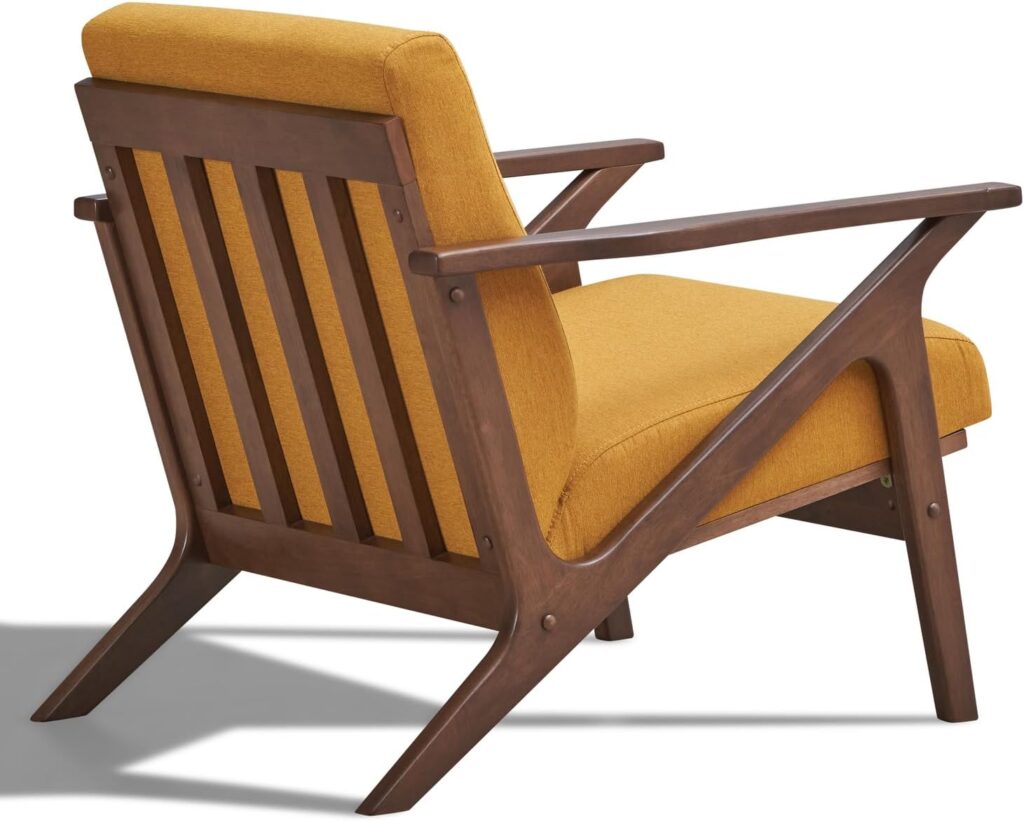 Cheap Replica from Amazon
- Cheap Replica from Amazon
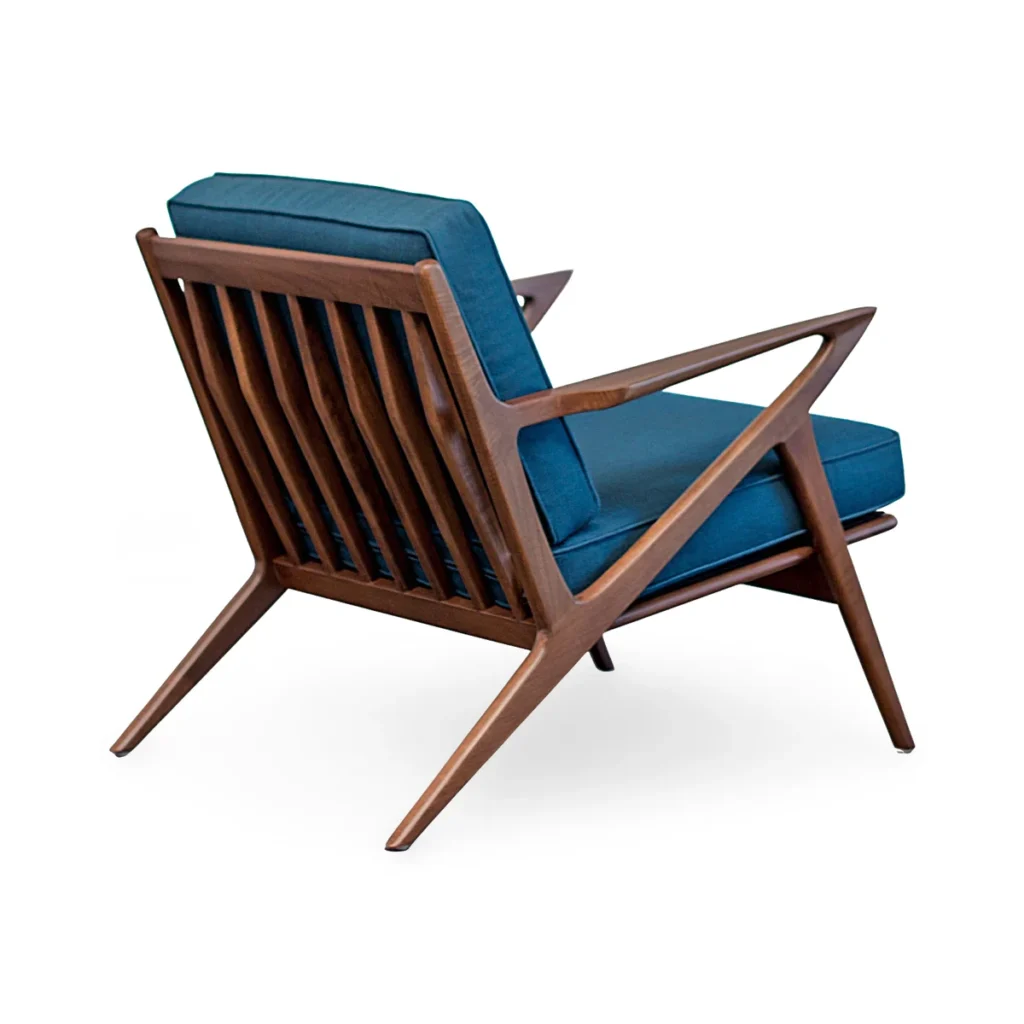 High-quality replica from Wayfair
- High Quality Replica from WestCoastModernLA
If you’re going the reproduction route, don’t just click “buy now” on the first Z Chair you see. Here’s what separates the decent replicas from the tragic knockoffs:
1. Frame construction matters—BIG TIME: The original Selig chairs used solid hardwood frames—walnut, teak, or beech. Good replicas should follow suit with solid wood construction. If you’re seeing cheap veneers, MDF, or plywood, run away. The frame should be substantial, solid hardwood with smooth sculptural curves and clean lines.
The originals used traditional joinery with no metal fasteners—just masterful woodworking that’s held up for 60+ years. While some quality replicas might use subtle metal reinforcements or require you to assemble the frame yourself with metal fasteners, the overall construction should still feel robust and well-crafted. The cantilevered design requires serious structural integrity that only quality solid wood can provide.
2. Upholstery quality (or lack thereof): Original Z Chairs typically featured high-quality leather or MCM fabric upholstery. Many replicas use leather or modern fabrics, but quality varies wildly.
3. Cushion construction. The seat and back cushions should have some substance to them. Too thin and you’ll feel the frame. Too puffy and you’ve lost the sleek profile that makes the chair special. Original cushions had a firmness that supported without being rock-hard. They typically used rubber webbing for the seat (Danish Fagas straps were common) and high-density foam. The cushions should be loose and rectangular, maintaining clean lines that don’t obscure the beautiful frame.
4. Those crucial dimensions. Here’s where I get nerdy. The original Z Chair has specific proportions that make it work:
- Overall height: approximately 28-29 inches
- Seat height: around 16-17 inches from the floor
- Width: roughly 26-27 inches
- Depth: approximately 32-33 inches
If a replica is significantly off on these measurements, it’s going to feel wrong even if it looks right in photos. That cantilevered angle is carefully calculated for comfort and aesthetics. The slight recline should feel natural, not forced.
5. Weight and stability. A well-made replica should feel substantial. Pick it up (if you can—solid hardwood isn’t exactly lightweight). Does it feel solid or flimsy? Sit in it. Does it flex appropriately, or does it feel a little wobbly? The cantilever should have a spring to it without feeling unstable or wobbly.
6. Hardware and finishing details: Check the underside. Look at how the pieces connect—are the joints tight and well-fitted? Is the wood finish consistent and smooth, or are there rough patches and sloppy spots? The sculptural armrests should curve elegantly without any awkward transitions. The splayed legs should be symmetrical and perfectly angled.
Original Selig chairs often had manufacturer stamps or labels underneath. Obviously, replicas won’t have these (and if they do, that’s a red flag for fraud), but quality makers will usually mark their work in some way.
7. Return policy and reviews. This should go without saying, but read those reviews. Look for photos from actual buyers, especially ones that show the chair from multiple angles and in real home settings. And make sure there’s a reasonable return policy, because sometimes a chair that looks great online turns out to be a disaster in person.
8. Wood species and finish. Pay attention to what kind of wood the replica uses. The originals came in walnut, teak, and beech (often stained to walnut tones). Each has its own character—walnut has rich, dark grain; teak has warm honey tones; beech is lighter and smoother. A good replica should specify the wood species and show you the grain in photos. Be wary of vague descriptions like “wood-tone finish” that could be hiding inferior materials.
Sources of Great Replicas at Good Prices
WestCoastModernLA around $1,400
Wayfair around $850
Sources of Great Originals At Good Prices
Modern Hill around $2,000
Where This Leaves Us
The Z Lounge Chair isn’t just another design fad—it’s a design icon that’s earned its place in the pantheon of great modern furniture. Poul Thorsbjerg Jensen may be primarily known for this one brilliant design, but what a design to be known for. Whether you’re team original Selig or team replica, what matters is that you’re bringing a piece of thoughtful, beautiful design into your space.
Susan and me? We’re still hunting for an original Z Chair. I’ve got my search alerts set, Susan’s tracking Facebook Marketplace, and we’re happy to drive three hours for a Craigslist score. That’s the thing about these chairs—they get under your skin. One day you’re casually admiring MCM design, and the next you’re explaining to your partner why you need a Z lounge chair even though you already have an Eames lounge chair.
Good luck with your hunt!
You might also enjoy our articles about “The Timeless Appeal of the Eames Lounge Chair” or “The Embrace of Modern Design: The Womb Chair“
Leave a Reply