Part 5 - Design Decisions: Honoring Original Intent vs. Modern Needs
With the plumbing and electrical systems scheduled for replacement, Susan and I could finally turn our attention to the question that defines every restoration project: what do we keep, what do we change, and where do we draw the line between historical preservation and contemporary living?
This might sound like a simple question, but it’s actually one of the most complex and consequential decisions you’ll make in a midcentury modern restoration. Get it right, and you create a home that honors its heritage while functioning beautifully for modern life. Get it wrong, and you end up with either a sterile museum piece that’s uncomfortable to live in, or a gutted shell that’s lost all its character and charm.
We knew we needed a clear philosophy to guide our decisions.
Establishing Our Core Principles
After several long conversations—and a few glasses of wine—Susan and I developed what became our guiding principles for the restoration:
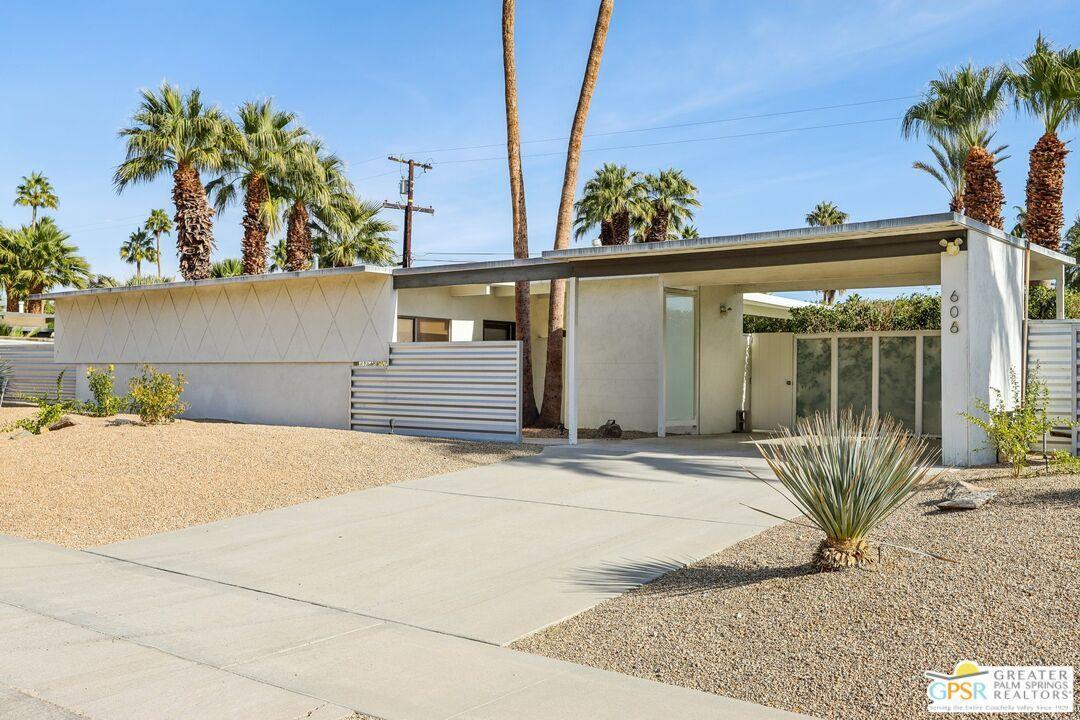
Preserve as much of the original home as possible. Jack Meiselman designed this house with intention. Every element, from the post-and-beam structure to the placement of windows, served a purpose. Our job was to understand that intention and respect it.
Restore anything that wasn’t period-appropriate. Over sixty years, the house had accumulated changes—some necessary, some misguided. Our goal was to identify what didn’t belong and remove it, returning the house to something closer to Meiselman’s original vision.
Keep the aesthetic relatively neutral. We wanted the architecture to be the star, with our art and furniture providing personality and color. Bold architectural statements are timeless; trendy finishes date quickly.
Prioritize livability. We weren’t creating a museum. We were creating a home we’d actually want to spend time in, that guests would feel comfortable in, and that renters would love. Authenticity matters, but so does functionality.
With these principles established, we started making our way through the house, room by room, element by element, deciding what stayed and what went.
The Originals We Were Determined to Keep
Some elements were non-negotiable. These were the features that made our house a Meiselman, the details that gave it character and connected it to its 1960s origins:
The floor plan. Meiselman’s layout was brilliant—an easy flow from public to private spaces, generous room sizes without wasted square footage, and a natural progression from the entry through the living areas to the pool and backyard. We weren’t moving any walls.
The sliding aluminum glass doors. Those floor-to-ceiling sliders that connected the living room to the pool area were essential to the indoor-outdoor living concept. They were also in remarkably good condition.
The sliding aluminum windows. Original to the house, properly proportioned, and still functioning beautifully.
The sliding aluminum closet doors. Even these utilitarian elements had clean lines and honest materials that felt right for the period.
The outside appearance from the street. That low-slung profile, the distinctive roofline, the relationship between the carport and the entry—this was the face the house presented to the world, and we wanted to preserve it.
The outside appearance from the backyard and side yard. The way the house sat on its lot, the connection between interior and exterior spaces, the sight lines from the pool to the mountains—all essential.
The shape of the original teardrop pool. That organic, kidney-shaped pool was pure 1960s Palm Springs. While we’d be resurfacing it and adding a spa, the basic form would remain.
The remarkable thing about these elements was that most of them were in pretty good shape and didn’t require much work. The windows and sliding doors just needed some WD-40 to loosen up their tracks—after sixty years, they were still doing exactly what they were designed to do. This is a testament to the quality of materials and construction methods used in well-built midcentury homes
What We Decided to Replace: The Remodeling List
Not everything original to the house was worth keeping, and not everything that had been added over the years was worth preserving. Some changes were necessary to make the house function for contemporary life; others were simply undoing bad decisions made by previous owners.
Replace the 1980s cheap IKEA kitchen cabinets with custom-made cabinets. The kitchen had been “updated” at some point with budget cabinets that were already falling apart. They were poorly made, poorly designed, and completely wrong for the space. We’d be installing custom cabinets that honored the clean lines and honest materials of the period.
Replace the 1980s countertop with quartz. The existing laminate countertop was dated, damaged, and needed to go. We chose man-made quartz—a modern material that didn’t exist in the 1060s and would have been too expensive for a MCM tract home but feels appropriate for a restored version of one.
Replace the side-by-side washer and dryer in the kitchen with a washer/dryer tower. The original house had the washer and dryer, side-by-side in the kitchen which took up a lot of room. We decided to replace it with a vertical washer/dryer tower that would give us back that space while keeping the laundry in its original location.
Replace the Home Depot bathroom vanities with custom cabinets. Like the kitchen, the bathrooms had been given budget updates that needed to be undone. We’d be installing custom vanities that fit the space properly and matched the aesthetic we were creating throughout the house.
Replace all the thirty-year-old roller shades. These had faded, accumulated paint stains, and generally looked tired. New shades would make an enormous difference in how finished and fresh the house felt.
None of these changes altered the fundamental character of the house. We were simply replacing elements that were either worn out or had been poorly chosen in the first place.
The Big Restoration Decision: The Floors
The most significant restoration decision we faced involved the floors. The original house would have had polished concrete floors, or as an upgrade, terrazzo floors—a classic midcentury modern material consisting of chips of marble, granite, or glass set in concrete and polished to a smooth finish. Terrazzo was popular in the 1950s and 1960s because it was durable, beautiful, and relatively affordable for builders working at scale.
At some point in the 1980s, someone had covered or replaced the original floor with natural stone tile. The tile wasn’t terrible—but it seemed out of place—and Susan had never loved it. More importantly, it wasn’t period-appropriate. Every time we looked at design photos of restored Meiselman homes or similar midcentury houses, we were drawn to the terrazzo floors.
When we raised this with Wade, he gave us two options:
Traditional terrazzo floors. We could have true terrazzo installed—the real deal, just like would have been in the house originally. Cost: approximately $24,000.
Porcelain terrazzo-style tile. We could use modern porcelain tile that replicates the look of terrazzo at a fraction of the cost. Cost: approximately $10 per square foot installed, or about $8,000.
This was a significant decision, and it crystallized the philosophical tension at the heart of any restoration project. Do you prioritize absolute authenticity, even at great expense? Or do you use modern materials and techniques that achieve a similar aesthetic result while being more practical and affordable?
We chose the porcelain tile, and here’s why:
First, we weren’t sure the house had originally had terrazzo floors. It was likely, but we had no documentation proving it. We were restoring to period-appropriateness, not to a specific documented original condition.
Second, modern porcelain tile that mimics terrazzo is, in many ways, superior to the original material. It’s more consistent, easier to maintain, and more durable. The difference in appearance is minimal—most people would never know it wasn’t traditional terrazzo.
Third, saving $16,000 on flooring meant we could allocate that money elsewhere in the restoration, creating a better overall result.
Fourth, and perhaps most philosophically important: Meiselman himself would likely have used modern materials if they’d been available to him. These builders were practical people working within budget constraints. They used terrazzo because it was one of the best affordable options of the time. If they’d had access to high-quality porcelain that looked identical but cost less and performed better, they probably would have used it.
This logic would guide many of our decisions throughout the restoration: honor the spirit and aesthetic of the original, but don’t be dogmatic about methods and materials when modern alternatives serve the same purpose better.
The Finishing Touch: Paint
After all the remodeling was complete, the house would need a fresh coat of paint inside and out to make it look and feel brand new. This might seem like a small thing, but choosing the right paint colors would be critical.
We wanted colors that felt period-appropriate without being literal reproductions of 1960s palettes, which can sometimes feel dated rather than timeless. We’d study examples of well-restored midcentury homes to find colors that honored the era while feeling fresh and contemporary.
What This Assessment Process Taught Us
Going through this exercise—carefully evaluating every element of the house and making conscious decisions about what to keep, what to change, and why—gave us a framework that would guide us through hundreds of smaller decisions over the coming months.
Not everything original is worth keeping. Some original elements are compromised beyond repair, or they simply don’t function well for contemporary needs. It’s okay to replace them as long as you do so thoughtfully.
Not everything old is original. Many “features” in older homes are actually updates from the 1970s, 1980s, or 1990s. Learn the difference and don’t preserve things just because they’re old.
Modern materials can be appropriate. The goal is to honor the aesthetic and spirit of the original, not to create a perfect time capsule. Modern materials that look right and perform better are often the smart choice.
Document your reasoning. We kept notes about why we made each decision. This helped us stay consistent and gave us a reference point when we second-guessed ourselves (which happened frequently).
Trust your instincts, but verify them. When we weren’t sure whether something was original or appropriate, we researched. We looked at photos of other Meiselman homes, consulted with other MCM homeowners, and studied books about midcentury modern design. The more we learned, the more confident our decisions became.
Balance authenticity with livability. A perfectly authentic 1960s home would have a single-line phone jack, no WIFI, inadequate electrical service, and a kitchen that couldn’t accommodate modern appliances. Nobody wants to live in that house. The art is finding the balance.
With our assessment complete and our philosophy clearly defined, we were ready to move forward with the actual work. We knew what we were preserving, what we were restoring, and what we were updating. We had a plan, a budget, and a team we trusted.
Now came the hard part: actually doing it.
In the next article, we’ll dive into the budget reality check—what we thought the project would cost versus what it actually cost, where we found savings, where we hit unexpected expenses, and how we managed to stay (mostly) on track without compromising our vision.
Spoiler alert: there were surprises. There are always surprises.