Part 3 - Due Diligence: What We Learned During Inspection
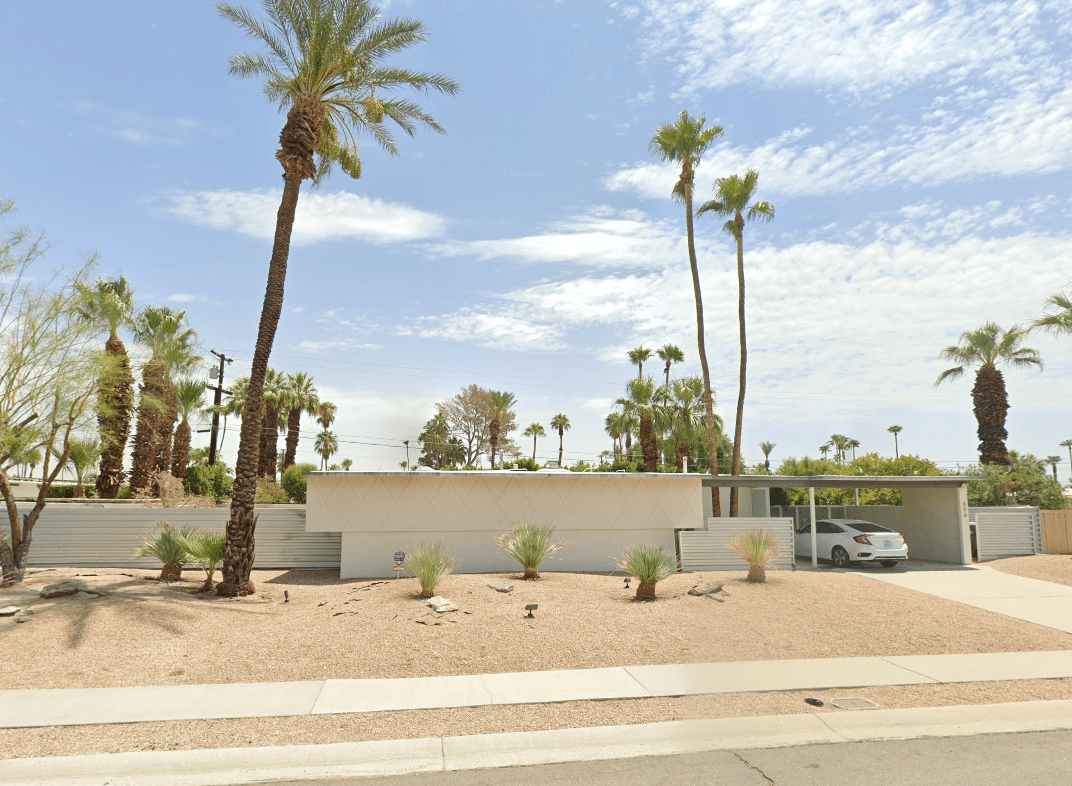
There’s a moment in every home purchase when the initial euphoria gives way to cold, hard reality. For us, that moment came about a week after our offer was accepted, when Jerry Campbell from Cal-Spec Inc. walked through our soon-to-be Meiselman home with us with his clipboard and flashlight.
“Let’s talk about what I found,” he said, and Susan and I exchanged a glance. This was either going to be fine, or it was going to be expensive.
Starting with an Advantage
We actually had a head start on the inspection process. Sarah Pearce, the seller’s real estate agent, had been proactive—she’d arranged for the house to be inspected before it was even listed and had the vast majority of issues identified in that inspection addressed before the first showing. This is relatively uncommon in real estate transactions, and it spoke well of both the agent and the sellers.
Still, we weren’t about to skip our own inspection. We’d made our offer contingent on a satisfactory home inspection performed by an inspector of our choosing, and we were determined to use that contingency to understand exactly what we were buying.
Sarah provided us with a list of recommended home inspectors, all with experience in midcentury modern homes. This matters more than you might think—inspecting a 1960s post-and-beam home in the desert requires different expertise than inspecting a 1990s colonial in Los Angeles. We needed someone who understood the specific systems, materials, and construction methods common to Palm Springs homes of this era.
We selected Cal-Spec Inc., run by Jerry Campbell. Jerry struck us as knowledgeable, thorough, and—importantly—familiar with midcentury modern homes in Palm Springs. He’d inspected dozens of similar homes and knew what to look for.
The Inspection: What Jerry Found
Jerry spent about an hour and a half going through every accessible part of the house: using a drone to inspect the roof, testing every outlet, running every faucet, checking every window and door, examining the HVAC system, and documenting everything with photos and notes.
When he finished, we stood in the living room, and he walked us through his findings.
Most of it was expected, the normal wear and tear you’d find in any sixty-five-year-old home:
The north garden wall was falling and needed to be replaced. Years of desert sun, wind and dry rot had taken their toll on the fence posts that were holding up the metal panel fence that separated our yard from the neighbor’s. Not a safety issue, but it needed to be fixed.
The electrical panel was original and not up to code; it would need to be replaced. This wasn’t surprising—most 1960s panels can’t handle the electrical demands of modern life. We knew this was likely coming.
The pool surface and tiles would need to be replaced. Again, expected. The pool was functional but dated, with worn plaster and vintage tile that, while charming, was starting to fail in places.
Low water pressure. Jerry recommended talking to a plumber to diagnose the cause.
Rust stains in the shower and sinks. Another “consult a plumber” recommendation.
The wood and glass partition with a gate between the carport and the backyard was loose and needed to be rebuilt. This was one of our favorite features—a gorgeous original detail that screened the pool area from the street—but it was definitely wobbly and not up to code.
The furnace and AC units were both over thirty years old, but in working order. They’d need to be replaced soon, but they weren’t dead yet.
Jerry identified only three items as truly critical: the electrical panel replacement, securing the gate from the carport to the pool area, and installing depth markers and safety equipment in the pool area (a code requirement we’d need to address before renting the property).
We were feeling pretty good. We estimated the electrical panel would cost around $3,000 to replace. The other issues were manageable. We closed the deal, negotiating a $3,000 price adjustment with the seller to cover these expenses, and felt like we’d got a good deal.
We were wrong.
The Plumber Drops a Bomb
After closing, we scheduled a plumber to come out to fix the low water pressure and investigate those rust stains. We figured this would be a relatively quick fix—maybe some clogged aerators, perhaps a pressure regulator issue.
The plumber spent about 30 minutes examining the plumbing system. Then he said, “You need to replace all the pipes in the house.”
Our hearts sank.
He explained that when these homes were built in the 1950s and 1960s, builders commonly used galvanized steel pipes to save money. It was standard practice at the time. The problem is that galvanized pipes have a lifespan of only fifty to sixty years before they start to rust from the inside out. Our pipes were right at that threshold—technically still functioning, but deteriorating rapidly. The rust stains we’d seen were just the visible symptoms of a much larger problem.
If we don’t replace them now, we’ll be looking at pipe failures, water damage, and emergency repairs in the near future. Better to address it proactively than reactively.
Cost estimate: somewhere between $15,000 to $20,000.
The Electrician Gives Us a Shock
As if that weren’t enough, when we had an electrician come out to provide an estimate to replace the electrical panel, we received more bad news.
The wiring throughout the house was cloth-covered—another common practice in 1960s construction. While it was still functioning, there was about a 75% chance that when we upgraded the electrical service and replaced the panel, the surge of power through the old wiring would cause outlets throughout the house to short out. He advised that we should replace all the wiring in the house.
Potential cost: another $20,000 to $30,000.
Susan and I sat in our rental car outside the house, doing the math in our heads. We were potentially looking at $50,000 in unexpected repairs just to make the house livable—and that was before we even started on the restoration work we’d been planning.
Confronting the Inspector
I’ll admit, Susan and I were angry. What’s the point of having an inspection done if it doesn’t red flag issues like this?
Susan called Jerry Campbell and asked—with more a lot more grace and tact than I could have shown—why he hadn’t red-flagged these issues. These were clearly material defects that would have significantly impacted how much we were willing to pay for the house. Why had he merely suggested “consulting a professional” rather than warning us that we were looking at tens of thousands of dollars in necessary repairs?
Jerry’s answer was frustrating: “As long as the systems are working and not presenting a safety hazard, it’s industry practice to suggest consulting a professional rather than making definitive recommendations. I’m not a licensed electrician or plumber, so I can’t diagnose those systems.”
He might be right, but it highlights a critical gap in the typical home inspection process, especially for older homes: inspectors identify potential issues, but they often can’t tell you the full scope or cost of addressing those issues. For that, you need the actual tradespeople who’ll do the work.
We’d learned this lesson the expensive way.
Finding Our Lifeline: Wade and Maltec Builders
At this point, we realized we were in over our heads. We needed professional help, and we required someone who specialized in mid-century modern homes.
We called Acme House Company, the rental management company we’d been planning to use once we had the house ready. They referred us to Wade Petrowich at Maltec Builders, a general contractor specializing in remodeling midcentury modern homes in the Coachella Valley.
This introduction would prove to be one of the most pivotal moments in our entire restoration journey.
The next day, Wade came to the house with his electrician and plumber. They spent several hours examining everything, discussing the issues, and developing solutions. When they finished, they had news that was both sobering and encouraging.
Yes, we needed to replace all the pipes. Yes, we needed to upgrade the electrical system. But there were silver linings.
The plumber explained that because it never freezes in the desert, most midcentury modern homes in Palm Springs have their pipes run across the roof and then drop down into the walls where water is needed, rather than running under the floors as they do in colder climates. This makes replacing pipes in Palm Springs homes relatively straightforward—it would require removing drywall from only two sets of walls, not tearing up floors or ceilings throughout the entire house.
Wade’s electrician delivered even better news: he could replace the electrical panel and then systematically test and repair any outlets that shorted out, without needing to replace all the wiring upfront. If problems arose that required more extensive rewiring, we’d address them as needed, but there was no reason to assume the worst-case scenario.
Wade came back with firm numbers: he could replace the pipes and replumb the entire house for $16,100. His electrician could replace the electrical panel and fix any shorted outlets for $7,000.
That was still a lot of money—$23,100 total—but it was less than half of the $50,000 worst-case scenario we’d been bracing ourselves for. More importantly, Wade had quickly and efficiently identified cost-effective solutions to problems that had seemed overwhelming just days before.
We hired him on the spot, not just to handle the plumbing and electrical work, but to serve as our general contractor for the entire restoration project. If he could navigate these immediate challenges with this much competence and calm, we trusted him to guide us through everything else ahead.
Key Takeaways
The inspection process taught us several critical lessons that we wish we’d known going in:
Always make your offer contingent on a satisfactory home inspection, but don’t stop there. The standard home inspection is valuable, but it’s just the beginning of your due diligence, especially with older homes.
Make sure your inspection contingency clause includes getting input from skilled tradespeople on key systems. This is not typically included in the contingency language realtors use, but it’s important to modify it accordingly.
As part of your general home inspection, have an electrician and plumber look at the house. This is especially critical for midcentury modern homes built more than 50 years ago. These specialists can identify issues that a general inspector can’t diagnose definitively.
Budget for surprises. Even with the most thorough inspection process, you will still discover things after closing. We recommend setting aside at least 10-15% of your purchase price as a contingency fund for unexpected repairs and issues.
Find a contractor who specializes in the type of home you’re buying. Wade’s experience with midcentury modern homes meant he understood the specific construction methods, materials, and challenges involved. A general contractor without that specialization might have recommended much more expensive and invasive solutions.
Don’t panic. When we got the news about the plumbing and electrical systems, our first instinct was to panic. But by taking a breath, bringing in the right experts, and methodically working through the problems, we found solutions that were manageable and allowed us to move forward with confidence.
Looking back, this was our baptism by fire—the moment when we transitioned from starry-eyed buyers to realistic homeowners who understood what we’d actually taken on. It was stressful, expensive, and occasionally terrifying, but it also taught us how to approach the restoration process: methodically, with the right professionals, and with a willingness to adapt when reality doesn’t match expectations.
In the next article, we’ll share our complete restoration plan and budget—what we hoped to accomplish, how we prioritized the work, and what we thought it would all cost. Spoiler alert: the actual costs didn’t quite match our initial projections, but we’ll get to that later in the series.
Professionals Referenced in This Article
Home Inspector
Jerry Campbell
Cal-Spec Inc.
760-770-7060
jerry@calspecinc.com
www.calspecinc.com
Real Estate Agent
Sarah Pearce
760-219-6765
sarah.pearce@cbrealty.com
www.cbrealty.com
Property Management Company
Acme House Company
General Contractor
Wade Petrowich
Maltec Builders