Introduction
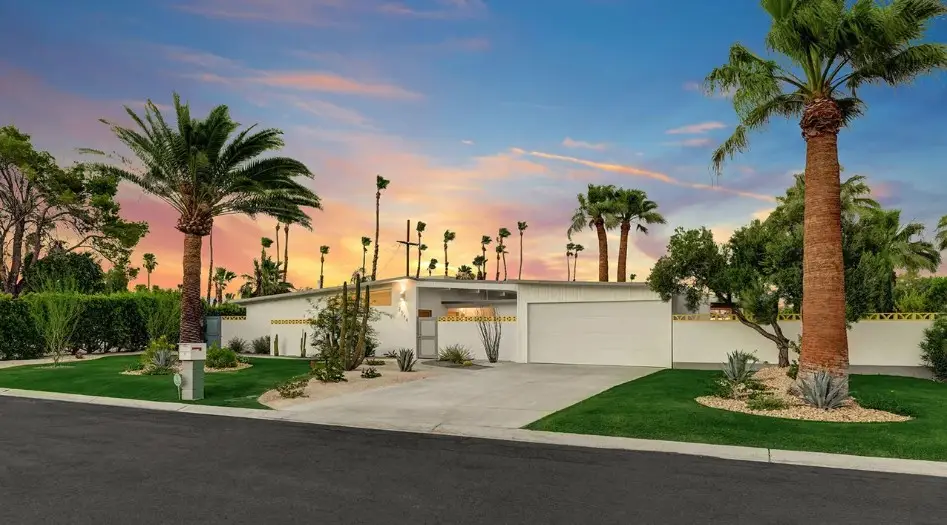
John “Jack” Moyer was an architectural designer who worked during the height of Palm Springs’ mid-century modern development boom in the 1950s and 1960s. While biographical details about Moyer remain scarce, his professional contribution to Palm Springs’ architectural landscape is well-documented through his collaboration with developer Jack Meiselman.
Jack Moyer was Jack Meiselman’s primary architect and designer and was responsible for designing the majority of the 250-300 single family homes that Meiselman built in Palm Springs.
Early Life & Education
Moyer worked as a young architectural designer during the 1950s, specializing in mid-century modern residential design. His primary professional association was with the Meiselman development company, where he served as the design architect for their tract home developments in Palm Springs.
Primary Builder/Developer Collaboration
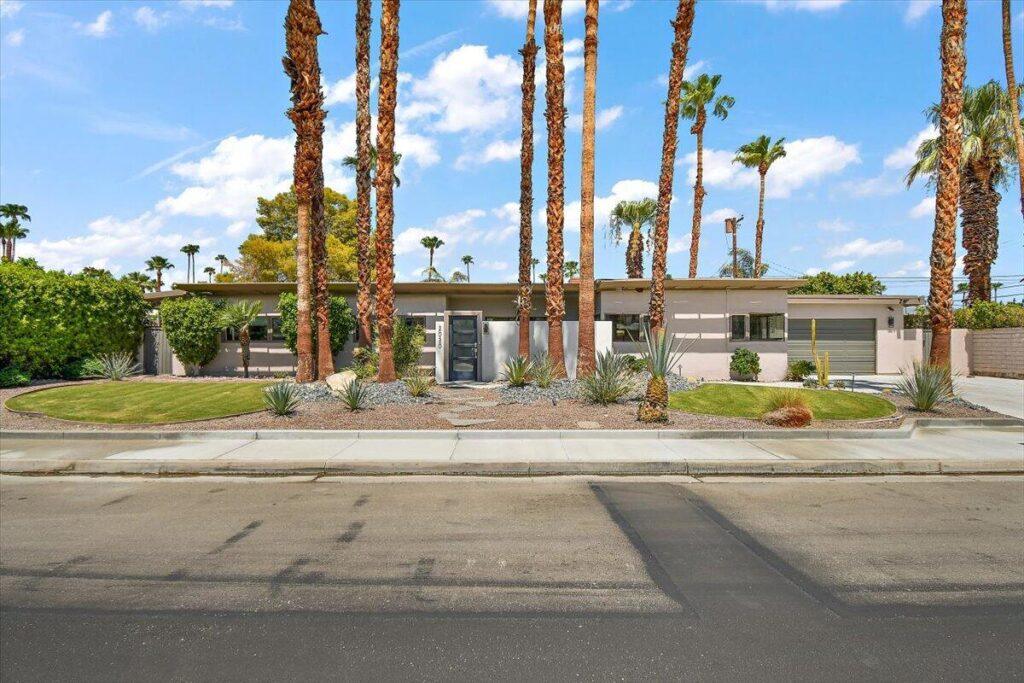
Jack and Bernie Meiselman – Moyer’s most significant professional relationship was with the Meiselman development company. He designed approximately 350 homes for the Meiselman brothers’ various tract developments in Palm Springs, primarily during the late 1950s and early 1960s.
Meiselman would build 49 homes in Palm Lane Estates between 1956 and 1958. He would build 45 homes for his Chino Palms between 1958 and 1959 would see 45 homes and in 1959 and 1960 Alejo Palms would get 57 homes — all designed by Moyer. In all he would design some 200 homes in the desert during his career and he was the exclusive designer for Meiselman from 1958 through 1962.
Moyer’s designs were clever and created the illusion of custom-built residences despite a rigorous production program that allowed the quickest of assembly, which made him a perfect collaborator for Jack Meiselman.
Moyer's Personal Projects
In the 1960s, Moyer started his own company, El Toro Development, building dozens of speculation homes in Palm Desert.
Miriam Moyer, Jack’s wife created the interiors in a restrained rainbow of reds, pinks and oranges.
Living in Palm Desert, Moyer was a member of Cliff Henderson’s architectural committee.
In 1956 Moyer designed and built two actual custom houses exactly one lot apart from each other in Palm Desert for George Walling and Jack Blair. By 1960 both Walling and Blair sold their homes and moved up the mountain to Palm Desert Highlands on Highway 74 just west of Silver Spur Ranch where, amazingly, Moyer would design two more new houses for both clients.
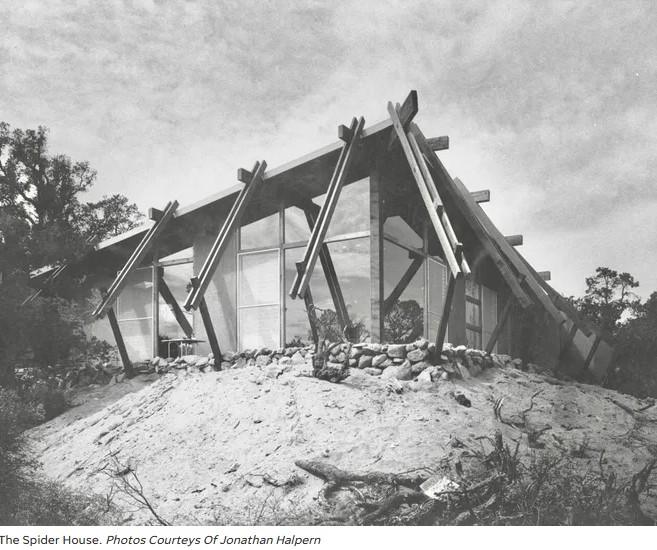
Further up the mountain in Pinyon Crest, Moyer designed a home so distinctive it would be featured in Architectural Digest in spring 1964. The “Spider House” featured large buttresses radiating from the central core of the home, creating an encircling patio, and the unmistakable impression of a gigantic spider perched on the hill.
Miriam gained a reputation as one of the finest interior decorators around and would go on to teach at College of the Desert (for their own sprawling ranch, they restored and furnished a period revival hacienda-style home in La Quinta that was featured in The Los Angeles Times).
Architectural Style and Design Philosophy
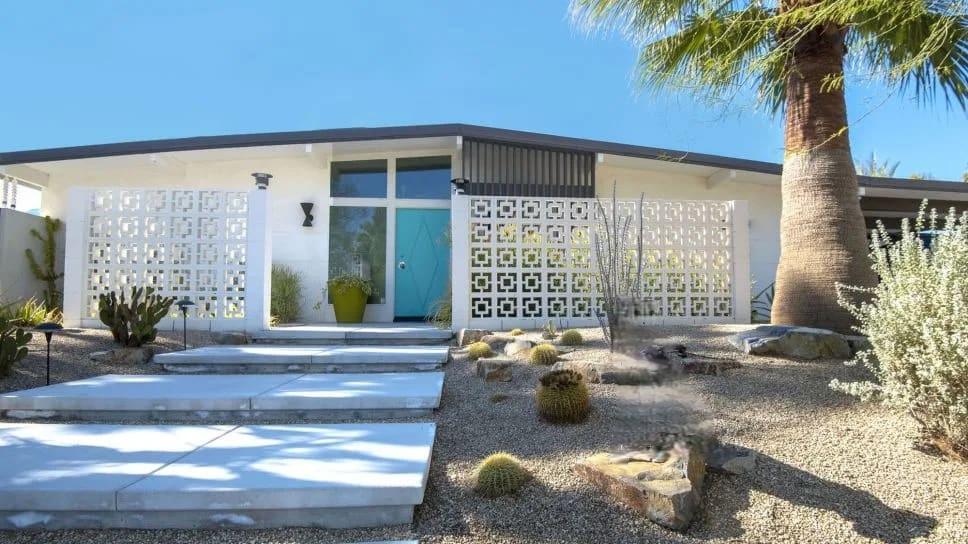
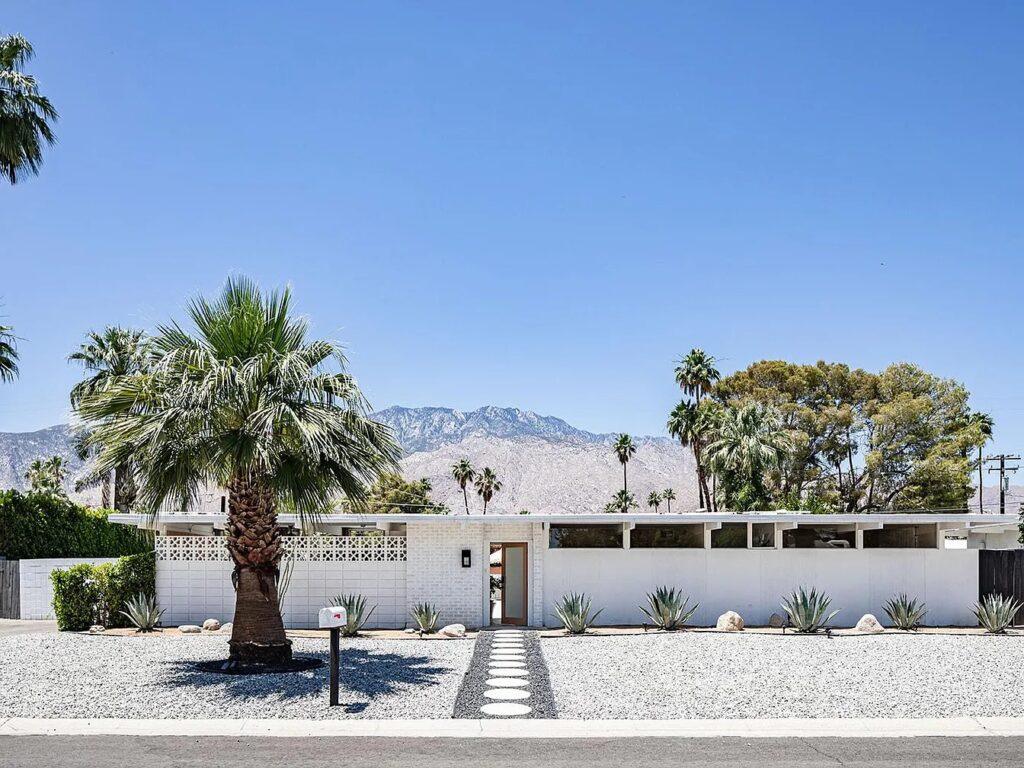
Moyer’s designs for the Meiselman developments were heavily influenced by the successful Alexander Construction Company model, featuring the hallmarks of Desert Modernism:
- Post-and-beam construction
- Butterfly roofs
- Clerestory windows
- Tongue-and-groove ceilings
- Sculpted concrete block walls
- Extensive use of glass
- Indoor-outdoor living integration
- Low-profile, horizontal emphasis
The homes were designed to be functional yet affordable, typically priced between $19,900 and $21,500 when new, making mid-century modern design accessible to middle-class buyers.
Known Projects and Developments
Residential Work
- Approximately 350 tract homes in Palm Springs (1950s-1960s)
- Meiselman development projects in Sunrise Park
- Meiselman development projects in Racquet Club East
- Various other Meiselman subdivisions throughout Palm Springs
Other Builders/Developers
Based on available records, Moyer appears to have worked exclusively with Meiselman or for his own firm during his documented career in Palm Springs. No other builder or developer collaborations have been identified in our research.
Non-Residential Buildings
It is not clear how many non-residential buildings ack Moyer may have designed. An article in the Desert Sun refers to a building called the Gayle Building on the 100 block of East Palm Canyon, but we have not been able to verify that.
Legacy and Historical Significance
While overshadowed by more famous Palm Springs architects like Palmer & Krisel (Alexander homes), Richard Neutra, Albert Frey, and John Lautner, Moyer’s contribution to Palm Springs’ mid-century modern heritage is significant. The Meiselman homes he designed represent an important chapter in the democratization of modernist design, bringing sophisticated architectural concepts to the tract housing market.
The Meiselman homes that Jack Moyer designed are now considered rare gems in Palm Springs’ architectural landscape, as they were produced in much smaller quantities than the Alexander developments (approximately 350 Meiselman homes versus 2,500 Alexander homes).
Research Limitations
This biography is limited by the scarcity of available biographical information about John “Jack” Moyer. Historical records focus primarily on his professional output rather than his personal background, education, or career trajectory beyond his work with the Meiselman development company. Further research in architectural archives, local newspapers, and professional organizations from the 1950s-1960s period might yield additional biographical details.